Digital Wallet: What It Is, How It Works, Types, and Examples
G
GeoRenus Editorial Team
528 views
GeoRenus Editorial Team
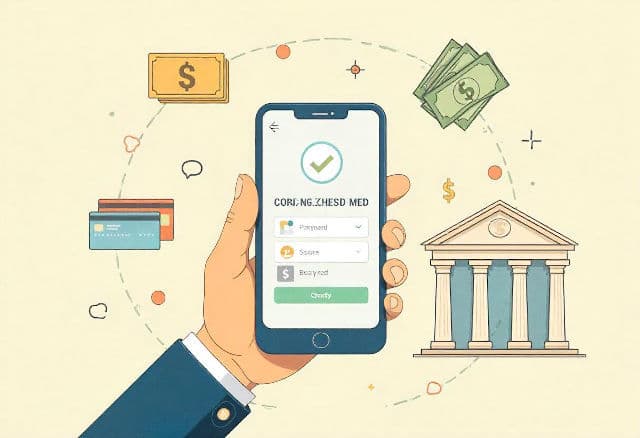
A digital wallet (e-wallet) is a software application that stores payment information on your electronic device, enabling cashless transactions via QR codes, NFC, or online encryption. Digital wallets come in three types: closed (single merchant), semi-closed (partner merchants), and open (full banking functionality). Popular examples include PayPal, Apple Pay, Google Pay, and bKash. They offer convenience, speed, and security but depend on device availability and internet connectivity.
When was the last time you paid for something with physical cash? For many people, the answer is "I can't remember." From buying coffee to paying rent, digital wallets have transformed how we handle money — making transactions faster, easier, and more convenient than ever before.
But what exactly is a digital wallet? How does it work? And how do you choose the right one? Let's dive in.
A digital wallet (also called an e-wallet or electronic wallet) is a software-based application that securely stores your payment information — credit card numbers, debit card details, bank account info, and sometimes even loyalty cards and IDs — on your electronic device (smartphone, tablet, or computer).
Instead of pulling out a physical card or cash, you simply tap your phone, scan a QR code, or click a button to make a payment. Digital wallets use encryption and tokenization to protect your financial data, often making them more secure than carrying a physical card.
As of 2024, the global digital wallet market is valued at over $9 trillion in transaction volume, and it's projected to grow rapidly as cashless payments become the norm worldwide.
The core function of a digital wallet is to store your electronic payment information and facilitate transactions. Here's how the process typically works:
Many shops display a QR (Quick Response) code at the checkout counter. You scan this code with your digital wallet app, confirm the amount, and the payment is processed instantly. QR code payments are extremely popular in Asia — especially in China, India, and Bangladesh.
NFC allows two devices to communicate when they're within a few centimeters of each other. When you tap your phone on a payment terminal, NFC transmits your encrypted payment data wirelessly. This is the technology behind Apple Pay and Google Pay's contactless payments.
Used by Samsung Pay, MST creates a magnetic signal that mimics a traditional card swipe. This means Samsung Pay works even on older payment terminals that don't support NFC — a significant advantage in areas where payment infrastructure hasn't been fully updated.
Digital wallets come in three main categories:
Closed wallets are issued by specific companies and can only be used for transactions with that company. For example, the Amazon Pay balance can only be used to buy products on Amazon. You can't transfer it to your bank or use it at other stores.
Semi-closed wallets can be used at multiple merchants that have partnered with the wallet provider. However, you typically can't withdraw cash from these wallets. Examples include Paytm in India and many MFS (Mobile Financial Services) providers.
Open wallets are issued in partnership with banks and offer full banking functionality — payments, transfers, withdrawals from ATMs, and more. These wallets essentially function as a digital bank account. Examples include PayPal and many banking apps.
One of the world's oldest and most widely used digital wallets. PayPal allows you to send money, receive payments, and shop online across millions of merchants in over 200 countries. It also offers buyer protection on purchases.
Available on iPhones, iPads, and Apple Watch, Apple Pay uses NFC for contactless in-store payments and online payments within apps and websites. It's known for its seamless integration with the Apple ecosystem and strong security features including Face ID and Touch ID authentication.
Google's digital wallet works on both Android and iOS devices. It supports NFC contactless payments, online purchases, and peer-to-peer money transfers. Google Pay also integrates loyalty cards, gift cards, and boarding passes.
Bangladesh's most popular mobile financial service, bKash has revolutionized digital payments in the country. With over 60 million users, it offers money transfers, bill payments, mobile recharge, and merchant payments — all from a basic mobile phone.
When selecting a digital wallet, consider these factors:
Digital wallets have fundamentally changed how we interact with money. They've made payments faster, more convenient, and more secure — while also bringing financial services to millions of previously unbanked people around the world.
As technology continues to evolve, digital wallets will only become more integrated into our daily lives. Whether you're making a contactless payment at a coffee shop, splitting a dinner bill with friends, or sending money to family overseas, a digital wallet makes it all possible with just a few taps on your phone.
Since the dawn of human civilization, people have engaged in trade through barter. However, around 5,000 years ago, humans gradually abandoned the barter system and began using metallic coins. These coins were made from copper, silver, and gold. Around 1260 AD, the first paper currency was introduced in China and eventually spread throughout the world. In the 1930s, the first credit cards were issued by commercial establishments, and by the 1950s, banks began issuing them as well.