Banking
19 articles
B
Banking
April 9, 2026
Basel III — How the World Rebuilt Banking Safety After the Greatest Financial Crisis
After the devastating 2008 financial crisis, Basel III emerged as the most comprehensive banking regulation framework in history. This article explores the complete journey from Basel I through Basel III, explaining capital requirements, liquidity ratios, leverage limits, and how they work in practice — with data tables, real-world examples, and analysis of global implementation including developing economies.
752Read
B
Banking
March 31, 2026
What Do Banks Really Do — Store Your Money or Create New Money? The Truth About Modern Banking
Most people think banks are giant vaults that safely hold deposits and lend them out. The Bank of England said otherwise in 2014: commercial banks create money out of thin air every time they approve a loan. Your 1,000 taka deposit is not sitting in a vault — it has already been lent out many times over. This article unpacks the seven real functions of a bank, explains how fractional reserve banking and the money multiplier work, examines why banks cannot create unlimited money, and gives you a clear snapshot of Bangladesh's banking sector — so you can be a smarter, more informed customer.
656Read
B
Banking
March 28, 2026
Banking Terminologies: The Essential Glossary Every New Customer Needs
Walk into any bank and you will hear words like EMI, FDR, KYC, RTGS, CIB, and CAR — terms that can feel like a foreign language to a first-time customer. Not understanding them can lead to costly mistakes and missed opportunities. In Bangladesh, over 65% of adults now hold a bank or MFS account, yet most cannot explain even the most basic banking terms. This guide breaks down 50+ essential banking terminologies in plain English — with real examples, numbers, and context — so you can walk into any bank with confidence and make smarter financial decisions.

633Read
B
Banking
March 20, 2026
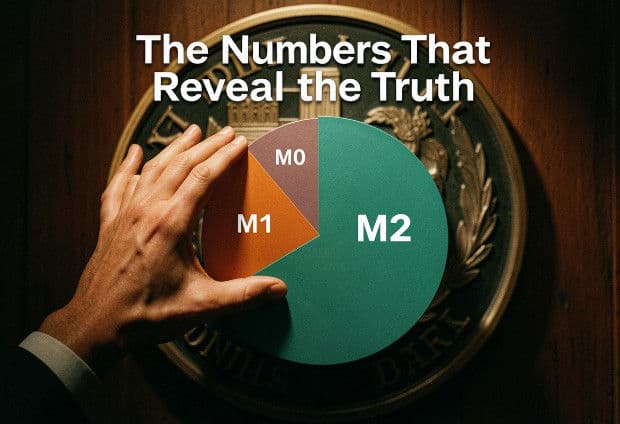
M0, M1, and M2 — The Numbers That Reveal the True Face of Any Economy
M0, M1, and M2 are three layers of money supply that reveal how much 'real' money exists in an economy versus how much has been created by banks through lending. M0 is physical currency printed by the central bank — the only 'real' money. As M1 and M2 grow larger relative to M0, it means banks have created more debt-based money. In advanced economies, bank-created money is 89-97% of the total. Bangladesh's M2/M0 ratio of 4.45x and M2/GDP ratio of just 34% tell a story of both underdevelopment and fragility, worsened by high non-performing loans.
1,202Read
B
Banking
March 19, 2026
Debt-Based Money Creation: Banking's Most Surprising System Explained
Debt-based money creation is the most astonishing and least discussed truth about modern finance — every bank loan literally creates new money out of thin air, and when that loan is repaid, the money is destroyed. This article explains how it works step by step, why the interest problem creates a perpetual 'debt treadmill,' the Cantillon Effect, moral hazard, and what it means for Bangladesh's economy.
730Read
B
Banking
March 19, 2026
Fractional Reserve Banking: Definition, Formula, and the Textbook vs. Reality
Fractional reserve banking is the backbone of the modern financial system — banks keep only a fraction of deposits as reserves and lend out the rest. This article breaks down how it actually works, the money multiplier formula, the real constraints on lending (hint: it's not what textbooks say), bank runs, Islamic banking alternatives, and what it all means for Bangladesh's banking sector.

690Read
B
Banking
March 4, 2026
Bangladesh Banking Sector: Navigating Through Crisis, Corruption, and Reform
Bangladesh's banking sector faces a severe crisis with non-performing loans reaching $11.4 billion (9.32% of total loans), far exceeding the global average and healthy benchmarks. State-owned banks are particularly troubled, with some institutions having over 60% of loans in default and a collective capital deficit of $1 billion. The crisis stems from systemic corruption, political interference in lending decisions, weak regulatory oversight, and a culture of impunity that allows well-connected borrowers to default with minimal consequences. Comprehensive reforms including transparency measures, regulatory strengthening, bank consolidation, and judicial improvements are urgently needed to prevent further deterioration of the financial system and protect Bangladesh's economic future.

684Read
B
Banking
March 4, 2026
Fractional Reserve Banking: How Banks Create Money and Drive Economic Growth
Fractional reserve banking is a system where banks hold only a portion of customer deposits as reserves and lend out the rest, enabling money creation and economic growth. Through the money multiplier effect, an initial deposit can expand into multiple times its original amount as it cycles through the banking system. While this system provides essential credit for mortgages, business loans, and consumer spending, it also creates inherent risks that require careful regulation, deposit insurance, and central bank oversight to maintain stability. Understanding how fractional reserve banking works is fundamental to grasping modern finance, monetary policy, and the digital money that dominates today's economy.

796Read
B
Banking
March 4, 2026
What Is a Bank Run? Causes, Historical Examples, and How to Prevent One
A bank run occurs when large numbers of depositors simultaneously withdraw their funds from a bank, fearing it may become insolvent. Under fractional reserve banking, banks only keep a small portion of deposits as cash reserves and lend the rest out. This means banks cannot satisfy all withdrawal requests at once if panic sets in. Bank runs have caused catastrophic economic damage throughout history — from the Great Depression, when over 9,000 US banks failed, to the 2023 collapse of Silicon Valley Bank, where $42 billion was withdrawn in a single day. Preventive measures include deposit insurance (like FDIC coverage up to $250,000), central bank lending facilities, strict banking regulation, and transparent communication. Understanding how bank runs work is essential financial literacy for anyone who keeps money in a bank.

872Read
B
Banking
March 4, 2026
What Is a Commercial Bank and How Does It Work?
A commercial bank is a financial institution that accepts deposits from the public, provides loans to individuals and businesses, and offers a wide range of financial services including payment processing, currency exchange, and investment products. Commercial banks earn revenue primarily through the net interest margin — the difference between the interest they charge on loans and the interest they pay on deposits. They play a critical role in economic development by facilitating capital formation, enabling financial inclusion, creating jobs, and funding government initiatives. Major examples include JPMorgan Chase, Bank of America, Wells Fargo, Citibank, and HSBC. As digital transformation accelerates, commercial banks are adapting through online and mobile banking platforms, data analytics, and AI-driven services to meet evolving consumer expectations.

740Read
B
Banking
March 4, 2026
How Do Banks Work?
Banks are the cornerstone of the modern financial system, acting as intermediaries between savers and borrowers. They accept deposits, make loans, facilitate payments, and create credit through the fractional reserve banking system. This comprehensive guide explains how different types of banks — retail, commercial, investment, and central banks — operate, how they are regulated to protect depositors and maintain financial stability, and how they contribute to economic growth. From deposit insurance and monetary policy to cybersecurity and fintech innovation, understanding how banks work is essential for making informed financial decisions.

949Read
B
Banking
March 4, 2026
What Is Digital Banking? A Beginner's Guide to Online and Mobile Banking
Digital banking is the complete transformation of traditional banking services into digital channels, allowing customers to manage accounts, make payments, apply for loans, and invest through websites and mobile apps. From online banking and mobile apps offered by traditional banks to fully digital neobanks like Chime, Revolut, and N26, digital banking provides greater convenience, efficiency, enhanced security, and personalized financial services. While challenges like cybersecurity threats, the digital divide, and regulatory complexity remain, emerging technologies such as artificial intelligence, blockchain, open banking, and biometric authentication are shaping a future where banking is more accessible, secure, and personalized than ever before.

482Read
B
Banking
March 3, 2026
Banking 101 - Understanding Banking Products and Services
Banking products and services form the foundation of modern personal finance. Banks act as intermediaries between depositors and borrowers, offering a wide range of products including checking accounts, savings accounts, fixed deposits, debit and credit cards, personal loans, mortgages, and investment services. This comprehensive guide covers everything from the basics of what a bank is and the different types of banks (commercial banks, credit unions, central banks, and investment banks) to core banking products, essential digital banking services like online and mobile banking, loan and credit options, investment and wealth management tools, and additional services such as safe deposit boxes, foreign currency exchange, and wire transfers. Understanding these products and services empowers you to make smarter financial decisions and take full control of your financial future.

802Read
B
Banking
March 3, 2026
Commercial Bank vs Central Bank: Key Differences You Should Know
Commercial banks and central banks are two fundamentally different types of financial institutions. Commercial banks serve individuals and businesses by accepting deposits, providing loans, and offering everyday banking services. Their primary goal is profit maximization. Central banks, on the other hand, are government-owned apex institutions that regulate the banking sector, control monetary policy, issue currency, and act as the lender of last resort. Each country has only one central bank but may have hundreds of commercial banks. While commercial banks deal directly with the public, central banks only transact with banks, government bodies, and financial institutions. Understanding these differences is essential for grasping how the modern financial system works.

590Read
B
Banking
March 2, 2026
Bangladesh Bank: History, Functions, and Key Events
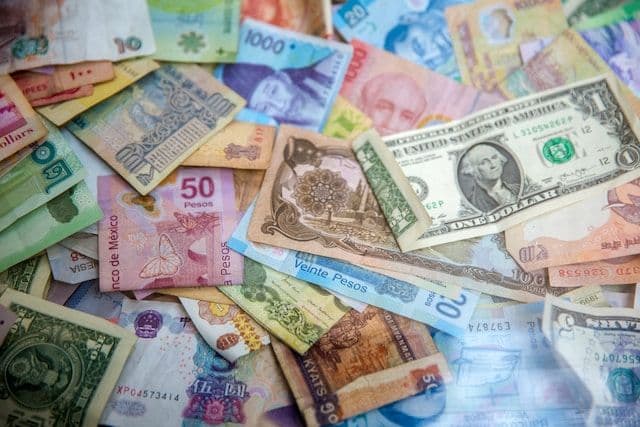
Bangladesh Bank is the central bank and supreme monetary authority of Bangladesh, established on December 16, 1971, under Presidential Order No. 127. It manages currency issuance, monetary policy, banking regulation, foreign reserves, and payment systems. The bank gained global notoriety in 2016 when hackers stole $81 million from its Federal Reserve Bank of New York account in one of the largest cyber heists in history.
615Read
B
Banking
March 2, 2026
What Is a Central Bank? Role, Functions, and How It Works
A central bank is the financial institution responsible for managing a nation's money supply, setting interest rates, regulating commercial banks, and maintaining economic stability. Major central banks like the Federal Reserve, ECB, and Bank of England influence everything from mortgage rates to inflation through tools such as open market operations, reserve requirements, and crisis lending facilities.

560Read
B
Banking
March 2, 2026
How Do Bank Loans Work? A Complete Guide
Bank loans allow you to borrow a lump sum from a financial institution and repay it over time with interest. This guide covers the major types of bank loans, key cost components like interest rates and fees, how the application process works, and what happens if you default.

492Read
B
Banking
March 2, 2026
The History of Banking: From Ancient Times to the Digital Age
Banking has evolved over 4,000 years, from ancient Mesopotamian grain warehouses and Roman argentarii to medieval Italian banking families, the gold standard, and the Federal Reserve. Today, fintech, neobanks, cryptocurrency, and blockchain are reshaping the financial landscape as banking enters its most transformative era yet.

762Read
B
Banking
May 7, 2025
Banking: What It Is, How Banks Work, and Everything You Need to Know
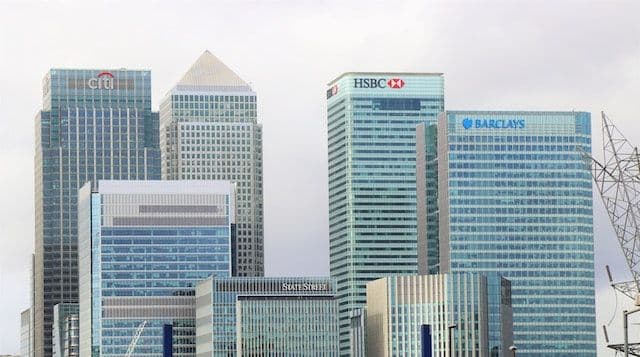
Most people use banks every single day — depositing salaries, withdrawing cash, transferring money, paying bills — without ever really thinking about how the whole system actually works. A bank is a licensed financial institution that accepts deposits from the public and uses those deposits to provide loans to individuals and businesses. Everything a bank does — from accepting your savings to issuing credit cards to printing cheques — falls under the broad category of banking. But banks are not just convenient places to store your money. They are the central nervous system of any economy — the institutions that keep money flowing productively through the system, connecting people who have surplus funds with people and businesses that need capital. And in Bangladesh, where Bangladesh Bank serves as the central authority overseeing the entire financial system, understanding how banking works is genuinely useful knowledge for anyone managing their personal finances, running a business, or simply trying to make smarter decisions with their money.
1,825Read
About Banking
Banking is at the heart of modern economies. Banks don't just store money — they create it through lending, influence interest rates, and shape economic policy. Understanding how the banking system works, from commercial banking to central bank operations, is essential for financial literacy. Our articles explore fractional reserve banking, money creation, the role of interest, and alternative banking models.
bankingfractional reserve bankingcentral bankloansinterest ratemoney creationIslamic bankingcommercial banking