E-Commerce Business Models: Dropshipping, Wholesaling, Private Label, White Label, and Subscription Explained
G
GeoRenus Editorial Team
576 views
GeoRenus Editorial Team
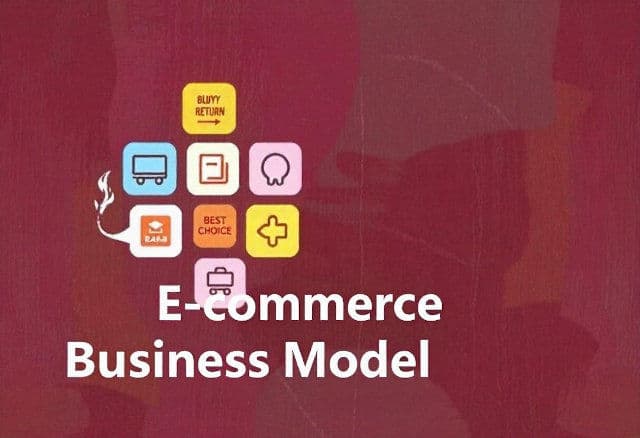
Running a successful e-commerce business starts with choosing the right business model. This guide explores five of the most popular e-commerce business models: dropshipping, wholesaling and warehousing, private labeling, white labeling, and subscription-based models. Each model has unique capital requirements, risk profiles, and profit potential, and understanding these differences is essential for entrepreneurs looking to build a profitable online business.
According to The Financial Express, Bangladesh's e-commerce market has been growing at an impressive pace, with the sector projected to continue expanding as more consumers shift to online shopping. But this trend isn't limited to Bangladesh—globally, e-commerce is reshaping how businesses operate and consumers shop.
If you want to run a successful e-commerce business, the first thing you need to understand is which business model best fits your goals, resources, and target market. Each model has its own advantages, challenges, and capital requirements. Choosing the right one can be the difference between thriving and struggling.
Let's explore some of the most popular and widely-used e-commerce business models that entrepreneurs around the world are leveraging to build profitable online businesses.
If you want to start an e-commerce business with relatively low capital investment, dropshipping is one of the most accessible options. In this model, you sell products through your online store, but you never hold any inventory. When a customer places an order, you forward it to a manufacturer or supplier, who ships the product directly to the customer.
The key players in dropshipping are the manufacturer and the customer—you act as the middleman who handles marketing and customer acquisition. However, don't confuse dropshipping with affiliate marketing. In affiliate marketing, you earn a commission for directing traffic. In dropshipping, you actually set the retail price and keep the profit margin.
Here's how it works: a customer orders a product from your website, you purchase it from the supplier at a wholesale price, and the supplier ships it directly to the customer. You never touch the product.
For example, if you buy a product for $15 from a supplier and sell it for $30 on your website, your gross profit is $15 per unit—minus marketing and operational costs.
According to Grand View Research (2018), the global dropshipping market was valued at $102.2 billion and has been growing rapidly ever since. Notable successful dropshipping businesses include Notebook Therapy, Until Gone, and Blue Crate.
If you prefer the wholesaling and warehousing model, you'll need a significantly larger initial investment. This model involves purchasing products in bulk from manufacturers or distributors, storing them in a warehouse, and selling them to customers at a markup.
You'll also need a substantial warehouse or storage facility, along with a system for managing inventory, tracking stock levels, and handling order fulfillment. The upfront investment is higher, but the trade-off is greater control over your supply chain and typically higher profit margins.
Compared to dropshipping, the major difference is the level of autonomy and self-sufficiency. If you buy a product for 200 Taka and sell it for 350 Taka, you keep the 150 Taka difference—and you have complete control over shipping speed, packaging, and quality assurance.
However, you'll also need to manage customer segments, understand market trends, and handle the logistics of storage and shipping. "The key to successful warehousing is not just storing products—it's managing the entire flow from supplier to customer."
Private labeling is one of the most favored models among e-commerce businesses. In this model, you take a product manufactured by another company and sell it under your own brand name. You don't manufacture the product yourself—instead, you work with a manufacturer to produce items according to your specifications, which you then brand and sell.
For example, suppose you want to sell a body lotion. You find a manufacturer that produces lotions, customize the formula or packaging to your preferences, add your brand label, and sell it as your own product. The customer sees your brand, not the manufacturer's.
Major retailers like Walmart use private labeling extensively. Brands like Great Value, Market Side, Equate, and Kirkland Signature (Costco) are all private label brands. Currently, private labeling is especially popular in food & beverage, clothing, grooming products, and household items.
Private labeling and white labeling might seem similar at first glance, but there are important differences. In white labeling, a manufacturer produces a generic product that multiple retailers can purchase and rebrand as their own.
To make an e-commerce business popular and universally recognized, white labeling provides a straightforward path. You purchase pre-made products from a manufacturer and sell them under your own brand.
For example, imagine someone sells watches. They source generic watches from a manufacturer, add their own brand logo and packaging, and sell them online. The key difference from private labeling? In white labeling, the same product is sold by multiple brands—only the branding changes. In private labeling, you typically have exclusive customization of the product itself.
As a white labeler, your role is to sell the same manufacturer's product across different brands and stores, competing primarily on marketing, customer service, and brand perception rather than product uniqueness.
Netflix, Amazon Prime, Spotify, Xbox Game Pass—these are all household names built on the subscription model. And it's not limited to digital services. Many e-commerce businesses now use subscriptions to deliver physical products on a recurring basis.
In a subscription model, customers sign up and pay a recurring fee (monthly, quarterly, or annually) to receive products or access services on a regular basis. This creates predictable, recurring revenue—which is one of the biggest advantages for business owners.
For example, Dollar Shave Club delivers grooming products monthly, while HelloFresh sends meal kits weekly. The subscription model works particularly well when customers need regular replenishment of a product or ongoing access to a service.
"The subscription economy has grown over 435% in the last decade," according to Zuora's Subscription Economy Index. This explosive growth shows no signs of slowing down as consumers increasingly prefer the convenience and predictability of subscriptions.
In today's technology-driven era, e-commerce continues to transform the global business landscape. The key to success lies in choosing the right business model based on your available capital, risk tolerance, and target market.
Whether you start with a low-investment dropshipping model, build a branded private label business, or create a subscription service, each model offers unique opportunities and challenges. The most important thing is to understand your customers, deliver value consistently, and adapt to changing market conditions. "In e-commerce, the customer is always just one click away from your competitor."

Most people use banks every single day — depositing salaries, withdrawing cash, transferring money, paying bills — without ever really thinking about how the whole system actually works. A bank is a licensed financial institution that accepts deposits from the public and uses those deposits to provide loans to individuals and businesses. Everything a bank does — from accepting your savings to issuing credit cards to printing cheques — falls under the broad category of banking. But banks are not just convenient places to store your money. They are the central nervous system of any economy — the institutions that keep money flowing productively through the system, connecting people who have surplus funds with people and businesses that need capital. And in Bangladesh, where Bangladesh Bank serves as the central authority overseeing the entire financial system, understanding how banking works is genuinely useful knowledge for anyone managing their personal finances, running a business, or simply trying to make smarter decisions with their money.