How to Become an Extraordinary Salesperson: Qualities, Habits, and Proven Strategies
G
GeoRenus Editorial Team
505 views

Summary
An extraordinary salesperson is someone who can sell anything at any time to anyone — not through manipulation, but through genuine skill, empathy, and persistence. This article breaks down the 10 essential qualities every top salesperson needs and the daily habits that separate average performers from the best in the business.
Key Takeaways
- The 10 core qualities of an extraordinary salesperson include enthusiasm, communication, competitive mindset, patience, active listening, self-confidence, empathy, networking, attention to detail, and adaptability.
- Successful salespeople practice specific daily habits: deep product knowledge, post-sale follow-up, relationship building, honest communication, teamwork, structured processes, knowing boundaries, prioritizing the buyer, and continuous research.
- Sales is not about pushing products — it's about understanding customer needs and providing genuine solutions that create long-term value for both parties.
- Most of these qualities are not innate talents but learned skills that anyone can develop with consistent practice and the right mindset.
What Makes a Great Salesperson?
Here's a question worth thinking about: what separates a good salesperson from a great one? Is it charisma? Luck? A natural gift for gab?
The truth is, the ability to sell is a learnable skill — not some magical talent you're born with. Sure, some people have personality traits that give them a head start. But the best salespeople in the world will tell you that their success comes from practice, discipline, and a genuine desire to help their customers.
An extraordinary salesperson is someone who can sell anything, at any time, to anyone — not through pressure or manipulation, but by truly understanding what the customer needs and delivering real value. Let's break down exactly what it takes.
10 Essential Qualities of an Extraordinary Salesperson
Every top salesperson shares certain core qualities. Some come naturally, others require deliberate practice. Here are the 10 qualities that define the best in the business:
1. Enthusiasm and Energy
This is where it all starts. If you're not excited about what you're selling, why would anyone else be? The best salespeople bring genuine enthusiasm to every interaction. They're energized by the process, motivated by challenges, and their passion is contagious.
Think about the last time someone sold you something you didn't plan to buy. Chances are, their energy and conviction played a big role. Enthusiasm isn't about being loud — it's about being genuinely invested in helping the customer.
2. Communication Skills
This might seem obvious, but communication in sales goes far beyond talking. An extraordinary salesperson knows how to articulate value clearly, adjust their message based on who they're speaking to, and — critically — know when to stop talking and start listening.
"The best salespeople talk less and listen more. They ask questions that reveal what the customer actually needs — not what they assume the customer needs."
3. Competitive Mindset
Top salespeople are naturally competitive — not in a cutthroat way, but in a healthy, goal-driven way. They want to beat their own records, outperform last quarter, and win deals that others might give up on. This internal drive keeps them pushing forward even during slow periods.
4. Patience
Not every sale closes on the first call. In fact, research from HubSpot shows that 80% of sales require at least five follow-up contacts. Extraordinary salespeople understand this and don't get discouraged. They play the long game, nurturing relationships that may take weeks or months to convert.
5. Active Listening
There's a reason we have two ears and one mouth. The best salespeople are exceptional listeners. They don't just wait for their turn to speak — they genuinely absorb what the customer is saying, identify pain points, and respond with relevant solutions.
For example, if a customer says "I'm worried about the implementation timeline," a mediocre salesperson might brush it off. A great one will address it directly, perhaps sharing a case study of a similar client who had the same concern and how it was resolved.
6. Self-Confidence
You have to believe in your product and in yourself. Self-confidence isn't arrogance — it's the quiet certainty that what you're offering has real value. Customers can sense doubt. If you're not confident, they won't be either.
This confidence comes from preparation: knowing your product inside out, understanding your market, and being ready for any objection that comes your way.
7. Empathy
Empathy is the secret weapon of top salespeople. It means putting yourself in the customer's shoes — understanding their challenges, their budget constraints, their timeline pressures. When a customer feels truly understood, trust builds naturally, and trust is the foundation of every sale.
8. Networking
Sales is a relationship business. The more people you know, the more doors open. Top salespeople invest time in building a wide network — not just prospects, but industry contacts, referral partners, mentors, and peers. Many of the best deals come from warm introductions, not cold calls.
9. Attention to Detail
The small things matter. Remembering a prospect's name, following up on a specific concern they mentioned, sending a personalized proposal instead of a generic template — these details signal that you care. In a world where customers receive dozens of sales pitches daily, attention to detail is what makes you stand out.
10. Adaptability
Markets change. Products evolve. Customer expectations shift. An extraordinary salesperson adapts quickly. They don't cling to scripts or outdated techniques. They learn, adjust, and evolve — whether it's mastering a new CRM tool, understanding a shifting market trend, or changing their pitch based on real-time feedback.
Daily Habits of Top-Performing Salespeople
Qualities get you started, but habits keep you winning. Here are the daily practices that separate average salespeople from the extraordinary ones:
1. Know Your Product Inside and Out
You should be able to explain your product's features, benefits, pricing, and competitive advantages in your sleep. At every stage of your sales career, keep deepening your product knowledge. Customers can tell when you're winging it.
2. Follow Up After Every Sale
The sale doesn't end when the contract is signed. The best salespeople follow up to ensure the customer is happy, address any issues, and lay the groundwork for repeat business and referrals. A satisfied customer is your best marketing channel.
3. Build Genuine Relationships
Don't just collect contacts — build relationships. Check in with people even when you're not trying to sell them something. Share useful articles, congratulate them on milestones, or simply ask how their business is doing. People buy from people they trust.
4. Be Honest — Always
Never oversell or overpromise. If your product isn't the right fit, say so. Honesty builds long-term credibility that's worth far more than a single closed deal. Customers remember the salesperson who was straight with them — and they come back.
"A single honest 'no' builds more trust than a hundred enthusiastic 'yeses' that don't deliver."
5. Collaborate With Your Team
Sales might feel like an individual sport, but the best performers treat it as a team effort. Share strategies, learn from colleagues' wins and losses, and collaborate on complex deals. A strong sales team lifts everyone.
6. Follow a Structured Process
Top salespeople don't improvise their entire day. They follow a structured sales process — from prospecting to qualification to closing. Having a system means fewer missed opportunities and more consistent results.
7. Know Your Boundaries
Not every deal is worth chasing. Some prospects will never convert, some timelines are unrealistic, and some negotiations aren't worth the concessions. Extraordinary salespeople know when to walk away — and that discipline actually increases their win rate because they focus energy on the right opportunities.
8. Put the Buyer First
Instead of asking "How can I close this deal?" ask "How can I genuinely help this person?" When you prioritize the buyer's interests, the sale often takes care of itself. This is the mindset shift that separates transactional salespeople from relationship builders.
9. Never Stop Learning
The sales landscape evolves constantly — new tools, new techniques, new buyer behaviors. Dedicate time every day to learning: read sales books, listen to podcasts, study competitors, and analyze your own performance data. The day you stop learning is the day you start falling behind.
The Bottom Line
Becoming an extraordinary salesperson isn't about being born with some magical gift. It's about developing the right qualities — enthusiasm, communication, empathy, patience, and adaptability — and then reinforcing them with disciplined daily habits.
The best salespeople don't just sell products — they solve problems, build relationships, and create value that lasts long after the deal is closed. And here's the best part: every single one of these qualities and habits can be learned, practiced, and mastered by anyone willing to put in the work.
"In sales, your income is not determined by what happens to you — it's determined by what you do about what happens to you."
Recommended for you
Money: What It Is, How It Works, and Its Complete History
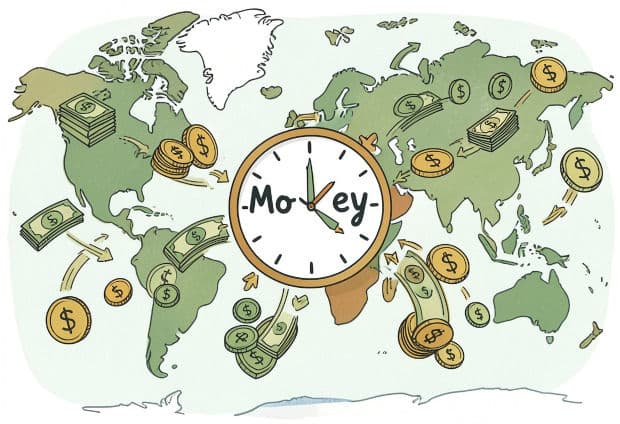
Every single day you go to a shop, hand over some notes, and walk away with what you need. The shopkeeper happily accepts those notes without any hesitation. But have you ever stopped and thought — why does that work? What is actually behind those pieces of paper that makes everyone willing to accept them? Why does a 500 taka note say "চাহিবামাত্র ইহার বাহককে দিতে বাধ্য থাকিবে" — meaning the bearer must be paid on demand? Money is so deeply embedded in our daily lives that most of us never question how it actually works. But understanding money — what it really is, how it functions, where it came from, and what different types exist — is the foundation of understanding any economy. At its core, money is simply a medium of exchange that people use to trade goods and services, repay debts, and measure value. It sounds simple. But the story behind it spans thousands of years and several fascinating transformations — from cowrie shells and whale teeth to gold coins, paper notes, and digital deposits.
Money
From Barter to Bitcoin: The Evolution of Money
Business
HORECA (Hotel Restaurant Catering Café): A Growing Marketing Channel in the Foodservice Industry

Books
The $100 Startup
Business Law
Business Law: What It Is, Why It Matters, and Types You Must Know

Investment
Investment: What It Is, Types, and Real Life Examples
Logo
Types of Logos: A Complete Guide to Every Logo Style You See Every Day
Startup
How to Calculate Startup Valuation: Methods, Tools, and Examples
Accounting
Corporate Taxation and International Tax Challenges Explained
Accounting
GAAP: What It Is and Why It Matters in Accounting