What Is Sales and How Does It Work?
G
GeoRenus Editorial Team
952 views
GeoRenus Editorial Team
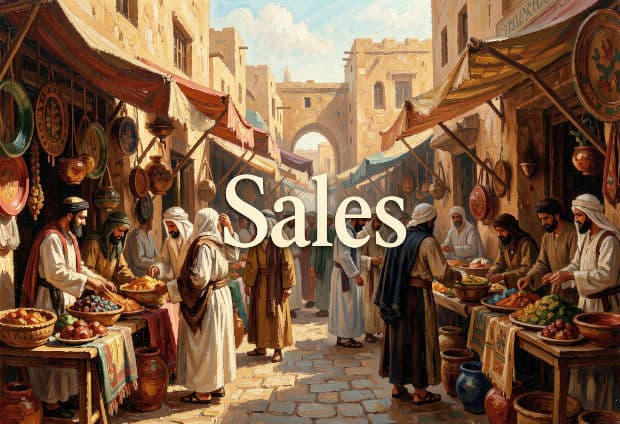
In the simplest terms, sales is what happens when one person sells something and another person pays for it. It is the exchange of goods or services for money, with the goal of making a profit. Whether you are running a small tea stall or managing a multinational company, sales is the engine that keeps any business alive. Without sales, there is no revenue — and without revenue, there is no business.
Let us start with a simple question — what exactly is sales? You hear this word everywhere, in business meetings, in shops, on TV commercials. But what does it actually mean?
Sales, at its core, is a transaction between two or more parties where a buyer pays money in exchange for a product, a service, or an asset. The key word here is profit. If there is no intent to earn profit, it is not really a sale — it is just giving something away. So for a transaction to count as a sale, you need three things: at least two parties involved, some kind of product or service being exchanged, and the goal of making money out of it.
Here is a quick example to make it clear. Say you buy a shirt worth 5,000 taka as a gift for your younger sister. Is that a sale? Well, not from your side — you are just giving a gift. But from the shopkeeper's perspective, absolutely yes. He sold you the shirt and made a profit on it. That is the difference. The shopkeeper made a sale; you made a purchase.
Now that we know what sales means, the bigger question is — how do you actually make it happen? How do businesses consistently sell their products day after day? Let us walk through the process step by step.
Selling a product is not just about having something and hoping someone will buy it. There is a real process behind it. Good salespeople and successful businesses follow certain steps that help them sell more, sell better, and keep customers coming back. Here are 13 practical ways that drive sales in the real world.
This is where everything starts. Before you try to sell anything, you need to understand who you are selling to. What do they like? What is their budget? What kind of problems are they trying to solve? If you know the answers to these questions, you are already halfway there.
Think about how electronics brands work. They put sales representatives in their showrooms whose entire job is to talk to customers, understand what they need, figure out their budget, and then recommend the right product. They are not just standing there waiting — they are actively learning about each customer. And that information is gold for the company because it helps them stock the right products and train their teams better.
No business operates in a vacuum. Whatever you are selling, chances are someone else is selling something similar. To stay competitive, you need to know what your rivals are offering and at what price. This does not mean you copy them — it means you find ways to do it better or different.
Take the washing machine market as an example. For a long time, international brands dominated because of their reputation for quality. But then local manufacturers started offering similar features at a much lower price. Suddenly, customers had options. The point is simple — if you do not keep an eye on your competitors, someone else will take your customers.
This one sounds obvious, but you would be surprised how many businesses ignore it. The quality of your product is directly connected to your sales numbers. If a customer buys something from you and it works great, two things happen. First, they come back to buy again. Second — and this is the real magic — they tell their friends and family about it.
Word of mouth is one of the most powerful sales tools out there, and it costs you absolutely nothing. When your customers become your promoters, your sales grow on their own. It becomes a cycle — good product leads to happy customers, happy customers lead to more sales, and more sales lead to more growth.
Not every customer has the same budget, and not everyone wants the same thing. If you are running a phone shop and you only stock high-end phones, you are missing out on a huge chunk of customers who want something more affordable. Smart sellers keep products across different price ranges so that no matter who walks into their shop, there is something for them.
The same idea applies to almost every industry. Whether you are selling clothes, electronics, or food — having options at different price levels keeps your sales consistent.
This is one of those simple rules that can make a massive difference. The more places your product is available, the more it sells. It is basic math. If your product is only in 10 stores, you will sell less than someone whose product is in 100 stores.
Here is how it works in practice. Imagine two detergent brands. Brand A is only available in select supermarkets. Brand B makes sure its products are in every small shop, every corner store, every department store in the neighborhood. Even if Brand A has a slightly better product, Brand B will outsell it simply because it is everywhere. And here is a bonus — when your product is sitting on the shelf, the shopkeeper himself becomes your salesperson because he wants to sell what he has in stock.
There is an old saying — first comes the look, then comes the judgment. People buy with their eyes first. If your product is hidden behind ten other things on a shelf, nobody is going to notice it, let alone buy it. You need to make sure your product is front and center where customers can see it.
Ever noticed how supermarkets place small items like chocolates, chewing gum, and snacks right next to the checkout counter? That is not random. It is a deliberate strategy. While customers wait in line, their eyes catch these products and many of them end up making an impulse purchase. That is the power of product visibility — use banners, stickers, shelf displays, whatever it takes to get your product noticed.
Who does not love a good deal? Offers and promotions are one of the oldest tricks in the book, and they still work like a charm. Buy one get one free, combo offers, seasonal discounts, cashback — these kinds of deals create a sense of urgency and excitement that pushes people to buy.
Think about what happens during festive seasons. Refrigerator and electronics companies roll out massive offers and their sales go through the roof. The product might be the same one they were selling last month, but slap a festival discount on it and suddenly everyone wants one. That is the psychology of sales — sometimes people do not buy because they need something, they buy because they feel they are getting a good deal.
You could have the best product in the world, but if nobody knows about it, you are not going to sell much. That is where advertising comes in. TV ads, newspaper ads, radio spots, billboards — these are the traditional ways. But the game has completely changed now.
Today, online marketing is where the action is. Social media advertising, especially on platforms like Facebook and Instagram, has become the go-to strategy for businesses of all sizes. The best part? It is way cheaper than traditional advertising. You can run targeted ads that reach exactly the kind of people who are likely to buy your product. A small shop owner can now compete with big brands just by running a smart Facebook campaign. If you are in business and not advertising online, you are leaving money on the table.
The world of sales is always evolving. What worked five years ago might not work today. Smart businesses are always looking for new and creative ways to boost their sales. Cross-promotions are a great example of this.
Here is how it works. Two brands team up and create an offer that benefits both. Maybe a chips brand partners with a fast-food chain — buy a pack of chips, get a discount at the restaurant. Now people who never ate those chips are buying them for the discount, and people who were not planning to eat at that restaurant are going there because of the offer. Both brands win. This kind of creative thinking is what separates average sellers from great ones.
Never underestimate the power of good packaging. A lot of customers make buying decisions based on how a product looks on the shelf. Bright colors, clean design, attractive graphics — all of these things catch the eye and influence purchase decisions.
This is especially true for products aimed at children. Think about kids' snacks — the packets are always colorful, fun, and sometimes even shaped differently. Kids are drawn to them immediately. But adults are not immune to good packaging either. A well-designed box or bottle can make a product feel more premium, even if it costs the same as a plain-looking competitor.
Here is a common mistake many sellers make — they focus too much on the features of their product and not enough on the benefits. Customers do not care about technical specifications nearly as much as they care about what the product will do for them. How will it make their life easier? How will it save them time or money?
Take a simple example. Instead of saying this water jug is made of BPA-free plastic and holds 2 liters, say something like — this jug keeps your water clean and safe, it fits perfectly in your fridge, and it comes in six different colors to match your kitchen. See the difference? One talks about the product, the other talks to the customer. Good sales always puts the customer's needs at the center.
Not everyone who walks into your shop is ready to buy right now. Some people are just browsing, comparing prices, or planning a future purchase. And that is perfectly okay. What matters is how you treat them.
If a visitor leaves your store feeling welcomed and valued — even if they did not buy anything — there is a very good chance they will come back when they are ready. Ask for their phone number, their email. Stay in touch. Send them updates about new products or special offers. This is exactly what big retail chains do. They send daily offer notifications to their customers through SMS. Not everyone who gets that message will come and buy, but some of them will. And those are sales that would not have happened otherwise.
Last but definitely not least — know your market. What are customers saying about your product? How does your product compare to others in the market? What do people wish was different? This kind of feedback is incredibly valuable.
Some smart businesses actually keep feedback books where customers can write their comments and suggestions. Based on that feedback, they make real changes to their services. For example, a diagnostic center that started providing separate counters for men and women based on customer feedback saw a significant improvement in customer satisfaction. When you listen to the market and adapt accordingly, your sales naturally improve.
Sales is not some mysterious art that only talented people can master. It is a process — a set of repeatable steps that takes a potential buyer from just browsing to actually making a purchase. It starts with grabbing attention, building interest, creating desire, and finally getting the customer to take action.
But here is what really matters — sales does not end when the customer pays. The real goal is customer satisfaction. When a customer leaves happy, they come back. When they come back, they bring others. And just like that, your sales engine keeps running. Whether you are selling vegetables at a local market or running a tech company, the fundamentals stay the same. Know your customer, deliver value, stay visible, and always keep learning new ways to sell better.
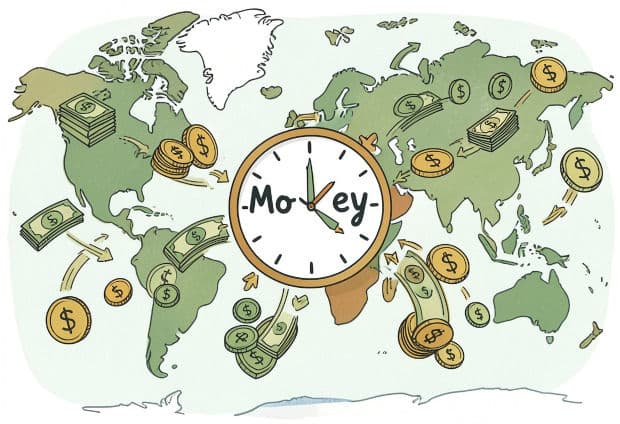
Every single day you go to a shop, hand over some notes, and walk away with what you need. The shopkeeper happily accepts those notes without any hesitation. But have you ever stopped and thought — why does that work? What is actually behind those pieces of paper that makes everyone willing to accept them? Why does a 500 taka note say "চাহিবামাত্র ইহার বাহককে দিতে বাধ্য থাকিবে" — meaning the bearer must be paid on demand? Money is so deeply embedded in our daily lives that most of us never question how it actually works. But understanding money — what it really is, how it functions, where it came from, and what different types exist — is the foundation of understanding any economy. At its core, money is simply a medium of exchange that people use to trade goods and services, repay debts, and measure value. It sounds simple. But the story behind it spans thousands of years and several fascinating transformations — from cowrie shells and whale teeth to gold coins, paper notes, and digital deposits.