What Are Identity Theft and Cyber Fraud?
G
GeoRenus Editorial Team
624 views
GeoRenus Editorial Team
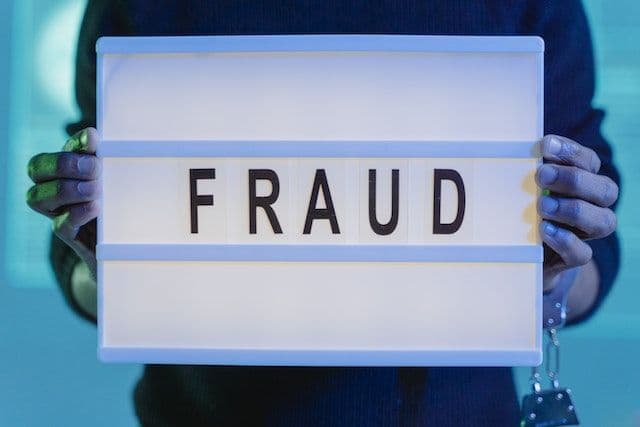
Identity theft and cyber fraud are among the fastest-growing crimes in the digital era. Identity theft occurs when criminals steal personal information such as names, Social Security numbers, bank details, or medical records to commit fraud. Using techniques like phishing, social engineering, and malware, cybercriminals can access sensitive data and cause devastating financial, credit, and reputational damage to their victims. Understanding the types, techniques, and prevention strategies is essential for protecting yourself in an increasingly connected world.
We live in the age of the internet. It has transformed how we shop, bank, communicate, and conduct business. But this digital revolution has also created a massive playground for criminals. Identity theft and cyber fraud are now among the fastest-growing crimes worldwide, affecting millions of people every year.
Identity theft, sometimes called identity fraud, occurs when someone illegally obtains and uses another person's personal information without their consent, typically for financial gain. This can include names, Social Security numbers, credit card details, bank account information, medical records, or any other data that can be exploited.
Modern cybercriminals use sophisticated techniques including computer hacking, data breaches, phishing attacks, and social engineering to steal identities. According to the FTC, identity theft was the number one consumer complaint in 2022, with over 1.1 million reports filed. The actual number of victims is likely much higher, as many cases go unreported.
"In the digital world, your identity is your most valuable asset. And criminals know it."
This is the most common form. Criminals use stolen financial information, such as credit card numbers, bank account details, or loan information, to make unauthorized purchases, withdraw funds, or open new accounts in the victim's name. Victims often do not discover the theft until they receive unexpected bills, notice unauthorized transactions, or are denied credit.
In medical identity theft, criminals use a victim's health insurance information or personal medical data to obtain medical treatment, prescription drugs, or submit fraudulent insurance claims. This can lead to incorrect entries in the victim's medical records, potentially causing dangerous medical errors and significant financial liability.
This occurs when a criminal steals a victim's Social Security number (or equivalent national ID) to claim government benefits, file fraudulent tax returns, or secure employment. Victims may discover the theft only when they try to file their own tax return and find that one has already been filed using their number.
Children are particularly vulnerable because their personal information is clean and often goes unmonitored for years. Criminals use children's Social Security numbers and other details to open credit accounts, apply for loans, or create false identities. The fraud may not be discovered until the child becomes an adult and applies for credit for the first time.
This is an increasingly sophisticated form of fraud where criminals combine real and fabricated information to create entirely new identities. They might use a real Social Security number with a fake name and address to build a credit history from scratch. This type of identity theft is particularly difficult to detect because the identity does not belong to any single real person.
In criminal identity theft, a person provides someone else's identity when arrested or investigated by law enforcement. The victim may then have a criminal record they know nothing about. This can affect background checks, employment opportunities, and even travel. Clearing a falsely attributed criminal record can be an extremely lengthy and difficult process.
Cybercriminals employ a range of techniques to steal personal information. The three most common methods are:
Social engineering is essentially psychological manipulation. Criminals exploit human emotions like trust, fear, urgency, and curiosity to trick people into revealing sensitive information. A common example: you receive a phone call from someone claiming to be from your bank, saying your account has been compromised and asking you to "verify" your account number and password. The call sounds legitimate, but the person on the other end is a criminal.
Phishing involves fake emails, messages, or websites designed to look like legitimate institutions such as banks, credit card companies, or government agencies. The victim clicks a link, enters their login credentials or personal information, and hands it directly to the criminal. Modern phishing attacks are incredibly sophisticated, with near-perfect replicas of real websites and emails.
Malware is malicious software installed on your device without your knowledge. It can record keystrokes (keyloggers), capture screenshots, steal saved passwords, and transmit all of this data back to the criminal. Malware can be delivered through email attachments, infected websites, or compromised software downloads.
Common warning signs that your identity may have been stolen include:
To protect yourself:
Financial Losses: Victims can lose thousands or even hundreds of thousands of dollars. The process of recovering stolen funds can take months or years, and some losses may never be fully recovered.
Credit Damage: Identity theft can devastate your credit score, making it difficult to obtain loans, mortgages, or even employment. Restoring damaged credit is a long and frustrating process.
Reputational Harm: Criminals may use your identity to commit crimes, make offensive statements online, or engage in fraudulent business activities, all of which can damage your personal and professional reputation.
Legal Consequences: In some cases, victims may face legal difficulties when criminals use their identity during criminal activity. Clearing your name and record can require significant time and legal resources.
The internet has transformed our lives in countless positive ways. But it has also made us more vulnerable than ever to identity theft and cyber fraud. The convenience of digital banking, online shopping, and social media comes with a responsibility to protect our personal information.
Internet-based crimes can affect every aspect of your life: your finances, your health records, your credit, your reputation, and even your freedom. The best defense is a combination of awareness, vigilance, and proactive security measures.
"The price of security is eternal vigilance. In the digital age, that vigilance must be constant."

Since the dawn of human civilization, people have engaged in trade through barter. However, around 5,000 years ago, humans gradually abandoned the barter system and began using metallic coins. These coins were made from copper, silver, and gold. Around 1260 AD, the first paper currency was introduced in China and eventually spread throughout the world. In the 1930s, the first credit cards were issued by commercial establishments, and by the 1950s, banks began issuing them as well.