White Collar Crime: Understanding Financial Fraud in the Corporate World
G
GeoRenus Editorial Team
641 views

GeoRenus Editorial Team
White collar crime refers to financially motivated, non-violent crimes committed by individuals in positions of trust and respectability. First defined by sociologist Edwin Sutherland in 1949, these offenses include securities fraud, embezzlement, money laundering, tax evasion, insurance fraud, and cybercrime. Unlike street crimes, white collar crimes often go undetected for years and can cause billions of dollars in losses. Famous cases like Enron, Bernie Madoff, and Volkswagen Dieselgate highlight the devastating impact these crimes have on investors, employees, and the broader economy.
The term "white collar crime" was first coined in 1949 by sociologist Edwin Sutherland. He defined it as crimes committed by individuals of high social status and respectability in the course of their occupation. He distinguished these offenses from "blue collar" crimes, which typically involve physical force or violence.
In simple terms, Sutherland divided crime into two categories: violent and non-violent. White collar crime falls firmly in the non-violent category. These are financially motivated crimes committed through deception, manipulation, and abuse of trust rather than through physical force.
For example, imagine a senior executive at a pharmaceutical company who discovers that one of their drugs has dangerous side effects. Instead of reporting the issue and recalling the product, the executive conceals the data and continues selling the drug to maximize profits. This is a classic example of white collar crime, a decision that prioritizes financial gain over public safety, carried out through deception rather than violence.
"White collar crime is the most financially destructive form of crime in America, far exceeding the total losses from all street crimes combined."
White collar crimes are committed from within the system. From inception to execution, these crimes share several common characteristics:
White collar criminals first identify weaknesses, loopholes, or gaps in regulatory systems, company policies, or financial processes. They use their professional position and knowledge to exploit these vulnerabilities. The crime is often disguised as legitimate business activity, making it difficult to detect.
White collar criminals go to great lengths to hide their activities behind complex financial structures, fake documents, shell companies, and offshore accounts. The goal is to create layers of separation between themselves and the crime. This makes investigation and prosecution extremely challenging.
Unlike street crimes with identifiable individual victims, white collar crime often affects large groups of people, entire organizations, or even the general public. Shareholders lose their investments, employees lose their jobs and pensions, consumers pay higher prices, and taxpayers bear the cost of bailouts and regulatory failures.
White collar crimes can go undetected for years or even decades before being discovered. Bernie Madoff's Ponzi scheme operated for nearly 20 years. This extended timeline makes the cumulative damage far greater than most other types of crime.
These crimes are typically investigated by regulatory bodies like the SEC, FBI, IRS, and state attorneys general. If sufficient evidence is gathered, the case proceeds to criminal or civil court. However, the complexity of the evidence often means that cases take years to build and prosecute.
In some cases, victims can recover a portion of their losses through legal proceedings, settlements, or restitution orders. However, full recovery is rare. Many victims, particularly ordinary investors and employees, never recover what they lost.
White collar crime encompasses a wide range of financial offenses. Here are the most common types:
Securities fraud involves manipulating financial markets through deceptive practices. This includes insider trading (using non-public information to trade stocks), pump-and-dump schemes (artificially inflating stock prices), and misrepresenting financial statements to mislead investors.
In mortgage fraud, criminals falsify loan applications, inflate property values, or create fake buyers to obtain mortgage loans under false pretenses. This type of fraud was a major contributor to the 2008 financial crisis.
Insurance fraud occurs when individuals or companies deliberately overstate claims, stage accidents, or fabricate losses to collect insurance payouts they are not entitled to. This drives up premiums for all policyholders.
Illegally collecting someone's personal information, such as Social Security numbers, bank details, or passwords, and using it for financial gain, unauthorized transactions, or creating false identities.
Embezzlement happens when someone entrusted with managing money or assets diverts those funds for personal use. A company accountant funneling corporate funds into their personal account is a classic example.
Money laundering is the process of disguising the origins of illegally obtained money to make it appear legitimate. This typically involves a three-stage process: placement (introducing dirty money into the financial system), layering (moving it through complex transactions), and integration (reinvesting it into the legitimate economy).
Tax evasion involves deliberately misrepresenting income, inflating deductions, or hiding assets to reduce tax liability. Both individuals and corporations engage in tax evasion, costing governments billions in lost revenue every year.
Offering or accepting money, gifts, or favors to influence official actions or business decisions. Corporate bribery often involves paying government officials to secure contracts, favorable regulations, or protection from prosecution.
Modern white collar crime increasingly involves digital tools and technology. This includes hacking into computer systems, phishing attacks to steal credentials, deploying ransomware, and conducting online fraud schemes.
Violations of environmental laws and regulations, such as illegal dumping of hazardous waste, falsifying emissions data, or evading pollution controls to reduce costs. The Volkswagen Dieselgate scandal is a prime example.
Misleading advertisements, false product claims, bait-and-switch tactics, or selling counterfeit goods. These schemes deceive consumers into paying for products or services that are misrepresented, defective, or nonexistent.
Some of the most notorious financial crimes in history include:
Enron was a high-profile American energy company that used complex accounting fraud to hide billions in debt and inflate profits. When the fraud was exposed, the company collapsed almost overnight. Thousands of employees lost their jobs and retirement savings. Enron's bankruptcy was the largest in U.S. history at the time, and the scandal led to the passage of the Sarbanes-Oxley Act.
Bernie Madoff orchestrated the largest Ponzi scheme in history, defrauding investors of approximately $65 billion. For decades, Madoff promised consistent, above-market returns to his clients while using new investors' money to pay existing ones. When the scheme collapsed during the 2008 financial crisis, thousands of individuals, charities, and institutions were devastated. Madoff was sentenced to 150 years in prison.
Tyco's CEO Dennis Kozlowski and CFO Mark Swartz embezzled over $400 million from the company. They used corporate funds for lavish personal expenses, including a $6,000 shower curtain and a $2 million birthday party. They also manipulated the company's stock price and misled shareholders. Both received prison sentences of 8 to 25 years.
Widespread fraud and corruption in the U.S. savings and loan industry led to the failure of over 1,000 financial institutions. The crisis cost American taxpayers approximately $124 billion in bailouts. Deregulation, risky lending practices, and outright embezzlement by bank executives all contributed to the disaster.
In 2015, Volkswagen was caught using "defeat devices" in 11 million diesel vehicles worldwide to cheat emissions tests. The software detected when a car was being tested and temporarily reduced emissions, while during normal driving, the vehicles emitted up to 40 times the legal limit of nitrogen oxides. The scandal cost Volkswagen over $30 billion in fines, settlements, and vehicle buybacks.
Celebrity businesswoman Martha Stewart was convicted of obstruction of justice and lying to federal investigators about her sale of ImClone Systems stock. She sold her shares based on non-public information that the company's cancer drug had been rejected by the FDA. Stewart served five months in federal prison and five months of house arrest.
White collar crimes may not involve physical violence, but their financial and social impact can be devastating. They erode public trust in financial institutions, destroy retirement savings, eliminate jobs, and undermine the integrity of markets and government.
Despite stricter regulations and new laws enacted after each major scandal, white collar crime continues to evolve. As technology advances, so do the methods criminals use to commit fraud, launder money, and deceive investors.
"The cost of white collar crime is not just measured in dollars. It is measured in broken trust, ruined lives, and the erosion of faith in the institutions we depend on."
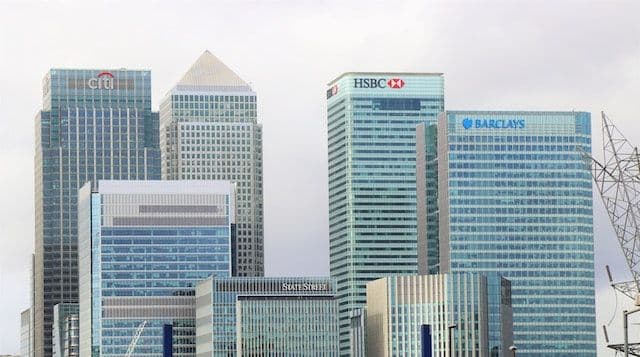
Most people use banks every single day — depositing salaries, withdrawing cash, transferring money, paying bills — without ever really thinking about how the whole system actually works. A bank is a licensed financial institution that accepts deposits from the public and uses those deposits to provide loans to individuals and businesses. Everything a bank does — from accepting your savings to issuing credit cards to printing cheques — falls under the broad category of banking. But banks are not just convenient places to store your money. They are the central nervous system of any economy — the institutions that keep money flowing productively through the system, connecting people who have surplus funds with people and businesses that need capital. And in Bangladesh, where Bangladesh Bank serves as the central authority overseeing the entire financial system, understanding how banking works is genuinely useful knowledge for anyone managing their personal finances, running a business, or simply trying to make smarter decisions with their money.