What Is a Pump and Dump Scheme?
G
GeoRenus Editorial Team
417 views

GeoRenus Editorial Team
A Pump and Dump scheme is a form of securities fraud where criminals artificially inflate the price of a stock, cryptocurrency, or other asset through false and misleading promotion, then sell their holdings at the inflated price, leaving other investors with massive losses. This scam has existed since the earliest days of financial markets and has evolved into digital forms involving social media hype, email campaigns, chatroom manipulation, and even celebrity endorsements. Understanding how pump and dump works is the first step to protecting your investments.
Back in 2021, a group of anonymous web developers launched a cryptocurrency called "Squid Game Token," riding on the massive popularity of the Netflix series. The token's price skyrocketed as thousands of eager investors poured money in. Then, overnight, the developers vanished and the token's value plunged to nearly zero. Investors lost an estimated $3.4 million in what became one of the most brazen crypto rug pulls in recent memory.
But this was not a new trick. Throughout history, pump and dump schemes have stolen billions of dollars from unsuspecting investors. In the digital age, social media, messaging apps, and cryptocurrency have made these scams faster, bigger, and harder to trace.
So what exactly is a Pump and Dump? In simple terms, it is a form of market fraud where criminals artificially inflate the price of a stock, crypto token, or other asset through false and misleading promotion. Once the price is pumped up and enough unsuspecting investors have bought in at inflated prices, the fraudsters sell (dump) their holdings for a massive profit. The price then crashes, and ordinary investors are left holding worthless assets.
This scam has been running since the earliest days of stock markets. In the 1990s, it was penny stocks and cold calls. Today, it is crypto tokens and Telegram groups. The method evolves, but the core con stays the same: trick people into buying high, then sell from under them.
"In the world of investing, the most dangerous words are: this time it's different."
A pump and dump operation is typically carried out by an organized group or individual. It follows three distinct phases:
The scam begins with a group of fraudsters who already hold a large position in a low-value asset, typically a penny stock or an obscure cryptocurrency. They then launch an aggressive promotional campaign using social media, online forums, email blasts, and sometimes even paid influencers.
The messaging is designed to create excitement: "This token is about to explode!" "Insiders know this stock is going 10x!" "Get in before it's too late!" As the hype spreads, more and more people buy the asset, driving up both demand and price. The rising price creates a self-reinforcing cycle where even more people jump in, fearing they will miss out (FOMO).
Once the price has been artificially inflated to a target level, the scammers sell their entire holdings at the peak. This sudden flood of selling pressure causes the price to crash rapidly. Investors who bought during the pump phase find themselves holding an asset that is now worth a fraction of what they paid.
The crash happens fast, often within hours or even minutes. By the time most investors realize what has happened, it is too late to recover their money.
The scammers walk away with significant profits, having bought low and sold high. Meanwhile, the investors who were deceived by the false hype are left with worthless or near-worthless assets and little recourse for recovery. In most cases, especially in the crypto world, the scammers disappear entirely, making prosecution extremely difficult.
Pump and dump schemes come in many flavors. Here are the most common types you should watch out for:
This is the traditional version where fraudsters spread false or misleading information about a stock or cryptocurrency to drive up its price. They use social media, word of mouth, and online promotions to create artificial demand. Once the price peaks, they sell.
Famous examples include Jordan Belfort's penny stock operation (depicted in The Wolf of Wall Street), the Bre-X Minerals scandal of the 1990s, and the Enron fraud of 2001. Each case involved massive deception and resulted in billions of dollars in investor losses.
Scammers send mass emails or newsletters promoting a specific investment opportunity with fabricated claims of guaranteed returns and insider information. The emails are designed to look professional and trustworthy, often mimicking the style of legitimate financial newsletters.
In 2007, the "Stock Guru" scam became one of the largest email-based pump and dump operations of its time. The group sent fake investment tips to hundreds of thousands of email addresses, inflated stock prices, and then dumped their holdings for millions in profit.
Fraudsters now heavily use online chatrooms, Telegram groups, Discord servers, Reddit forums, and social media groups to promote stocks or crypto tokens. They infiltrate these communities and post fake success stories, fabricated screenshots of profits, and urgent calls to action.
The sheer number of these groups makes them extremely difficult to monitor and regulate. Scammers take full advantage of this, creating hundreds of accounts to make their scheme look like genuine grassroots enthusiasm.
Some pump and dump operations hide behind celebrity endorsements. Fraudsters pay famous personalities to promote a token or stock, giving it an air of legitimacy that attracts thousands of unsuspecting investors.
In 2017, boxer Floyd Mayweather and music producer DJ Khaled were both charged by the SEC for promoting initial coin offerings (ICOs) without disclosing they had been paid to do so. Both faced penalties, and the tokens they promoted collapsed in value, leaving investors with massive losses.
Scammers create fake news articles, blog posts, or press releases about a company or cryptocurrency to generate excitement and drive up prices. These fabricated stories might claim a major partnership, a groundbreaking technology, or a government contract that does not actually exist.
In 2018, Longfin Corp, a fintech company, used fake press releases to associate itself with blockchain technology. Its stock price surged over 2,000% before the SEC stepped in and charged the company with fraud.
In this variant, scammers claim to have exclusive access to a company's shares before its initial public offering (IPO). They sell this "opportunity" to investors at inflated prices, promising massive returns once the company goes public. In reality, the shares may be worthless or the IPO may never happen.
In the cryptocurrency world, some tokens are created with the sole purpose of being pumped and dumped. They have no real technology, no development team, and no utility. They exist only as vehicles for fraud. These tokens are launched, promoted aggressively for a few days or weeks, and then abandoned once the creators have cashed out.
There are several strategies you can follow to avoid falling victim to pump and dump schemes:
Market experts frequently say that "investors are always at risk, and their only real protection is their own vigilance."
In an intensely competitive market driven by the desire for quick profits, scamming has become increasingly sophisticated. The lines between genuine opportunity and fraud have never been blurrier. And the numbers are staggering: in 2022 alone, crypto investors lost over $2 billion to pump and dump schemes, according to Chainalysis.
The first line of defense against pump and dump is personal awareness. Avoid emotional decision-making, resist the pressure of FOMO, do thorough research, and always question investments that sound too good to be true. Because in the world of investing, if something sounds too good to be true, it almost certainly is.
"The stock market is a device for transferring money from the impatient to the patient." — Warren Buffett
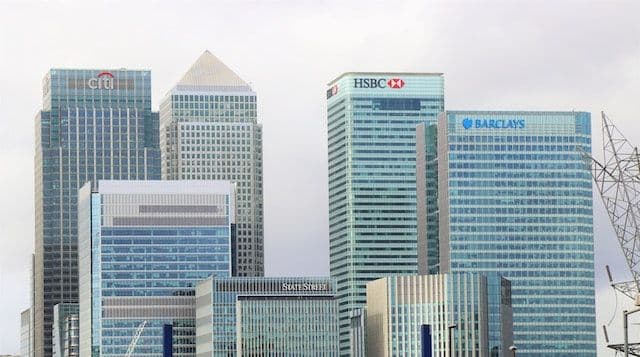
Most people use banks every single day — depositing salaries, withdrawing cash, transferring money, paying bills — without ever really thinking about how the whole system actually works. A bank is a licensed financial institution that accepts deposits from the public and uses those deposits to provide loans to individuals and businesses. Everything a bank does — from accepting your savings to issuing credit cards to printing cheques — falls under the broad category of banking. But banks are not just convenient places to store your money. They are the central nervous system of any economy — the institutions that keep money flowing productively through the system, connecting people who have surplus funds with people and businesses that need capital. And in Bangladesh, where Bangladesh Bank serves as the central authority overseeing the entire financial system, understanding how banking works is genuinely useful knowledge for anyone managing their personal finances, running a business, or simply trying to make smarter decisions with their money.