Derivatives: What They Are, Types, How They Work, and How to Invest
G
GeoRenus Editorial Team
1,130 views
GeoRenus Editorial Team
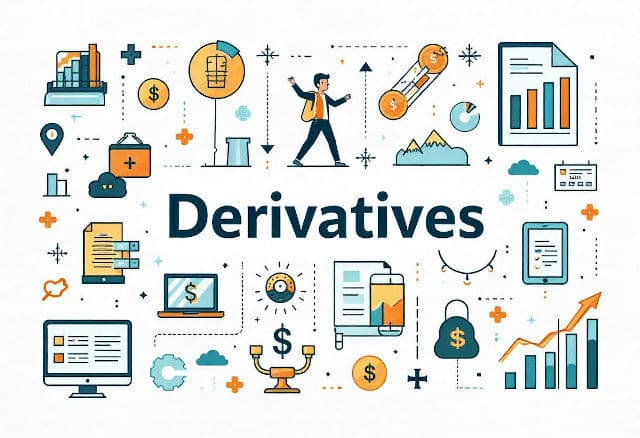
Derivatives are financial contracts whose value is derived from underlying assets like stocks, bonds, commodities, or currencies. This guide explains the four main types of derivatives — options, futures, forwards, and swaps — how they work, who trades them, their advantages and risks, and how beginners can start investing in them.
One of the biggest concerns for any investor is risk. Whether you are trading stocks, commodities, or currencies, the uncertainty of price movements can keep you up at night. This is where derivatives come in — they are one of the most powerful tools in the financial world for managing and transferring risk.
A derivative is a financial contract whose value is derived from the performance of an underlying asset, such as a stock, bond, commodity, interest rate, or currency. In other words, a derivative does not have value on its own — its value depends on something else.
The global derivatives market is enormous. According to the Bank for International Settlements, the notional value of outstanding over-the-counter derivatives contracts exceeded $632 trillion in 2023. That makes it one of the largest financial markets in the world — far bigger than the stock or bond markets.
In this article, we will explore the different types of derivatives, how the derivatives market works, who the major participants are, and how you can get started if you are interested in trading them.
There are four main types of derivative contracts in the financial markets. Each serves a different purpose and comes with its own level of complexity and risk.
An options contract gives the buyer the right, but not the obligation, to buy or sell an underlying asset at a predetermined price (called the strike price) before or on a specific date. There are two types:
For example, imagine Apple stock is trading at $180. You buy a call option with a $190 strike price for a premium of $5. If Apple rises to $210, you can exercise your option, buy at $190, and pocket a $15 profit per share (minus the $5 premium). If Apple stays below $190, you simply let the option expire and lose only the $5 premium.
A futures contract is an agreement between two parties to buy or sell an asset at a predetermined price on a specific future date. Unlike options, futures contracts are obligatory — both the buyer and seller must fulfill the contract at expiration.
Futures are commonly used for commodities like oil, gold, and wheat. For instance, an airline company might buy oil futures to lock in fuel prices for the next six months, protecting itself from a potential price spike.
Futures contracts are standardized and traded on regulated exchanges like the Chicago Mercantile Exchange (CME), making them more liquid than some other derivatives.
Forward contracts are very similar to futures, but with one key difference: they are traded over-the-counter (OTC), meaning they are private agreements between two parties, not traded on an exchange. This makes them more customizable but also riskier, since there is no clearinghouse to guarantee the trade.
A common example is a multinational company that enters into a forward contract to exchange currencies at a fixed rate three months from now, protecting itself from currency fluctuations.
A swap is a derivative contract in which two parties exchange cash flows or financial obligations over a specified period. The most common type is an interest rate swap, where one party pays a fixed interest rate and receives a floating rate (or vice versa).
For example, Company A has a loan with a variable interest rate but wants predictability. Company B has a fixed-rate loan but believes rates will fall. They can enter into a swap where Company A pays the fixed rate and Company B pays the variable rate — both parties benefit based on their expectations.
Most derivatives are traded either on organized exchanges or over-the-counter (OTC). Exchange-traded derivatives like futures and standardized options are regulated and transparent. OTC derivatives like forwards and swaps are negotiated privately between parties.
There are four main types of participants in the derivatives market:
Hedgers use derivatives to protect themselves against price risk. For example, a wheat farmer might sell wheat futures to lock in today's price and protect against a potential price drop at harvest time. "The purpose of hedging is not to make money, but to protect what you already have."
Speculators take positions in derivatives purely to profit from price movements. They do not own the underlying asset — they are simply betting on which direction prices will move. While speculators add liquidity to the market, derivatives speculation is inherently risky and can lead to significant losses.
Arbitrageurs exploit price differences between two markets. For example, if gold is trading at $2,000 per ounce in New York but $2,005 in London, an arbitrageur would buy in New York and sell in London to pocket the $5 difference. These opportunities are usually short-lived and require fast execution.
Margin traders borrow money from their broker or exchange to take larger positions than their capital would normally allow. This amplifies both potential gains and losses. A margin call can force traders to deposit additional funds or face liquidation of their positions.
Investing in derivatives is not the same as buying stocks or bonds. It requires more knowledge, discipline, and risk management. Here are some key steps to get started:
Derivatives offer several compelling advantages that make them attractive to a wide range of investors and institutions:
Despite their benefits, derivatives carry significant risks that every investor must understand:
Derivatives are among the most sophisticated instruments in the financial markets. When used properly, they can help manage risk, improve portfolio returns, and provide access to markets that would otherwise be difficult to reach.
However, they are not for everyone. As legendary investor Warren Buffett famously called derivatives "financial weapons of mass destruction" — a warning about the potential dangers of these instruments when misused or poorly understood.
If you are considering investing in derivatives, take the time to educate yourself thoroughly, start small, and never risk more than you can afford to lose. With the right knowledge and discipline, derivatives can be a powerful addition to your financial toolkit.
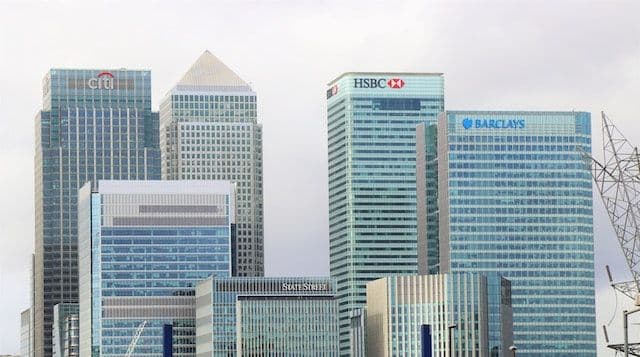
Most people use banks every single day — depositing salaries, withdrawing cash, transferring money, paying bills — without ever really thinking about how the whole system actually works. A bank is a licensed financial institution that accepts deposits from the public and uses those deposits to provide loans to individuals and businesses. Everything a bank does — from accepting your savings to issuing credit cards to printing cheques — falls under the broad category of banking. But banks are not just convenient places to store your money. They are the central nervous system of any economy — the institutions that keep money flowing productively through the system, connecting people who have surplus funds with people and businesses that need capital. And in Bangladesh, where Bangladesh Bank serves as the central authority overseeing the entire financial system, understanding how banking works is genuinely useful knowledge for anyone managing their personal finances, running a business, or simply trying to make smarter decisions with their money.