Taxation: Definition, Purpose, Types, and Why It Matters
G
GeoRenus Editorial Team
539 views
GeoRenus Editorial Team
Taxation is the process by which governments collect money from individuals and businesses to fund public services and manage the economy. Taxes are broadly classified into direct taxes (income tax, corporate tax, property tax) that are paid directly to the government, and indirect taxes (VAT, customs duty, excise duty) that are levied on goods and services. Tax revenue funds infrastructure, education, defense, and social welfare programs.
Taxation is the process by which a government collects money from individuals and businesses to fund public services and operations. In simple terms, it's the price we pay for living in a civilized society. Without taxes, there would be no roads, schools, hospitals, or defense forces.
The word "tax" comes from the Latin word "taxare," meaning to assess or estimate. Governments have been collecting taxes for thousands of years — ancient civilizations like Egypt, Greece, and Rome all had tax systems in place.
"In this world, nothing is certain except death and taxes." — Benjamin Franklin
Taxation serves several critical purposes beyond just filling government coffers:
The primary purpose of taxation is to generate revenue for the government. This money funds everything from public infrastructure and education to healthcare and national defense. In the United States, federal tax revenue exceeded $4.4 trillion in 2022.
Governments use taxes like import duties and tariffs to protect local industries from foreign competition. For example, if imported shirts are cheaper than locally made ones, the government may impose a tariff to level the playing field.
Governments impose heavy taxes on harmful products like tobacco, alcohol, and sugary drinks to discourage consumption. These are often called "sin taxes." In the UK, the tobacco duty generates roughly $12 billion annually while reducing smoking rates.
Progressive tax systems charge higher-income individuals at higher rates, helping redistribute wealth. The idea is simple: those who earn more contribute more. This revenue funds social welfare programs that support lower-income citizens.
During economic booms, governments may increase taxes to reduce excess spending and prevent inflation. During recessions, they may cut taxes to stimulate consumer spending and boost economic activity. This is a core principle of fiscal policy.
Tax revenue allows governments to invest in long-term economic development — building highways, funding research institutions, and supporting emerging industries. Countries like Singapore and South Korea used strategic tax policies to fuel rapid economic growth.
Taxation is the backbone of any functioning government. It enables the delivery of public goods and services that the private market alone cannot provide efficiently. Here's why it matters:
"The tax system is the most powerful tool a government has for shaping economic behavior." — Joseph Stiglitz, Nobel Laureate in Economics
Taxes are broadly classified into two categories: direct taxes and indirect taxes. Understanding the difference is fundamental to grasping how taxation works.
A direct tax is one that is paid directly to the government by the person or entity on whom it is imposed. The tax burden cannot be shifted to someone else. If you owe income tax, you pay it yourself — you can't transfer that obligation to your neighbor.
An indirect tax is levied on goods and services rather than on income or profits. The tax is collected by an intermediary (like a retailer) and passed on to the government. The consumer ultimately bears the cost, often without realizing it.
A common example: when you buy a product at a store, the price often includes an import duty or sales tax that was added during production or import. You're paying the tax, but the seller is the one remitting it to the government.
Indirect taxes account for a significant portion of government revenue in developing countries. In Bangladesh, roughly 53.3% of total tax revenue comes from customs duties, making it the single largest source of government income.
Tax systems vary significantly across countries:
Taxation is the foundation of government operations worldwide. It funds public services, shapes economic behavior, protects domestic industries, and redistributes wealth. Understanding how taxes work — both direct and indirect — helps citizens make informed decisions about their finances and participate more meaningfully in public policy discussions.
Whether you're an employee paying income tax or a consumer paying VAT at the store, taxes touch every aspect of economic life. A well-designed tax system balances revenue generation with fairness, economic efficiency, and simplicity.
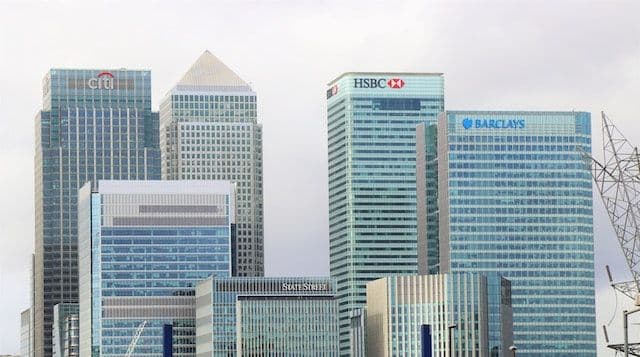
Most people use banks every single day — depositing salaries, withdrawing cash, transferring money, paying bills — without ever really thinking about how the whole system actually works. A bank is a licensed financial institution that accepts deposits from the public and uses those deposits to provide loans to individuals and businesses. Everything a bank does — from accepting your savings to issuing credit cards to printing cheques — falls under the broad category of banking. But banks are not just convenient places to store your money. They are the central nervous system of any economy — the institutions that keep money flowing productively through the system, connecting people who have surplus funds with people and businesses that need capital. And in Bangladesh, where Bangladesh Bank serves as the central authority overseeing the entire financial system, understanding how banking works is genuinely useful knowledge for anyone managing their personal finances, running a business, or simply trying to make smarter decisions with their money.